Showing posts with label supplement. Show all posts

Monday, 28 September 2009

Stress & Weight Gain

Stress and Weight Gain

Ever notice how when you start to get stressed out you also pack on a few pounds? There are numerous ways that our bodies react to stress and gaining weight is a common one. There are also many ways in which stress can contribute to weight gain.

When we are under stress our bodies go into what is commonly known as the “fight or flight” response. No matter what the cause of *Stress, our bodies react as though we need to flee from the danger and fight for our lives. A little extreme yes, but our survival mechanism is so engrained in us that our bodies know no other way to react. When our bodies enter into flight or fight mode (hypothalamus) there are a number of changes that occur-increased blood pressure and heart rate, quickening of breath, bursts of energy, and a change in thought patterns. This is the body's way of gearing up in case we need to run (literally) from whatever is stressing us. If we continue to remain stressed out for prolonged periods of time our health can actually become at risk.

Chronic stress leads to the body's production of cortisol which is known as the stress hormone. High levels of cortisol can lead to weight gain because it slows down metabolism, makes you crave foods that are not so good for you, alter blood sugar levels, and contribute to fat storage.

Stress can also cause you to feel an emotional need to overeat or to eat foods that are comfort foods. These include heavier foods such as potatoes, cream filled soups or sauces, and warm, heavy meals.

Depending on the cause of your stress, you may also make bad food decisions. For example, a single mother who is forced to work ten hours a day may feel stressed out and as if she has no time to cook. She may choose to eat fast food rather than cook a healthy home cooked meal. Stress can also render you too busy to exercise. If you are under a stressful time crunch at work you may find yourself with limited time to do anything but sleep. You can see how stress can easily lead to weight gain.

Of course, the best solution is really to avoid stress altogether. Stress not only causes weight gain but also *premature aging, wrinkles, and can even cause damage to your heart. The reality is that most of us will be exposed to stress at some point, the key is to managing it. If you find yourself constantly stressed out about your job, think about changing careers. Life is too short to live under constant stress and it is not worth the harm you are doing to your body or to your emotional state.

* Stress

There are several ways in which stress can contribute to weight gain. One has to do with cortisol, a stress hormone. When we’re under stress, the fight or flight response is triggered in our bodies, leading to the release of various hormones.

Whether we're stressed because of constant, crazy demands at work or we're really in danger, our bodies respond like we're about to be harmed and need to fight for our lives (or run like heck). To answer this need, we experience a burst of energy, shifts in metabolism and blood flow, and other changes.

If you remain in this state for a prolonged amount of time due to chronic stress, your health becomes at risk. Aside from a host of other dangers,chronic stress can also cause weight gain -- which is why some products like Cortislim are marketed as diet aids.

Chronic stress and cortisol can contribute to weight gain in the following ways:

Metabolism -- Do you feel like you're prone to putting on more weight when you're stressed, even if you're eating the same amount of food as you always have? Too much cortisol can slow your metabolism, causing more weight gain than you would normally experience. This also makes dieting more difficult.

Cravings -- OK, you're stressed. Do you reach for a nice salad or a pint of Ben & Jerry's? I'll bet on the latter. People experiencing chronic stress tend to crave more fatty, salty and sugary foods. This includes sweets, processed food and other things that aren’t as good for you. These foods are typically less healthy and lead to increased weight gain.

Blood Sugar -- Prolonged stress can alter your blood sugar levels, causing mood swings, fatigue, and conditions like hyperglycemia. Too much stress has even been linked to metabolic syndrome, a cluster of health concerns that can lead to greater health problems, like heart attacks and diabetes.

Fat Storage -- Excessive stress even affects where we tend to store fat. Higher levels of stress are linked to greater levels of abdominal fat. Unfortunately, abdominal fat is not only aesthetically undesirable, it’s linked with greater health risks than fat stored in other areas of the body.

Stress and weight gain are connected in other ways:

Emotional Eating -- Increased levels of cortisol can not only make you crave unhealthy food, but excess nervous energy can often cause you to eat more than you normally would. How many times have you found yourself scouring the kitchen for a snack, or absently munching on junk food when you’re stressed, but not really hungry?

While new research on nutrition seems to come out every day, and low carb diet books top the bestseller lists, many people continue to be overweight. This is because, even if we know what we’re supposed to be eating, there are additional factors that influence how much and what type of food we consume. One of these factors is stress, which is linked to increased emotional eating.

Emotional eating has many causes. The following are some of the main reasons - besides hunger - that stressed people eat:


*** Cortisol Cravings: Stress can bring on increased levels of cortisol, known as 'the stress hormone.' Cortisol has a beneficial function in the body, but excessive levels of cortisol brought on by chronic stress can cause a slew of problems in the body. Among other things, high levels of cortisol can create cravings for salty and sweet foods. In previous centuries, this enabled people to bulk up on foods that would sustain them during times when food is scarce; however, in modern times and industrialized nations, when food is rarely scarce, this previously adaptive mechanism causes excess weight gain.

Social Eating: Often people who are under stress will seek out social support, which is a great way to relieve stress. Unfortunately for dieters, when people get together — especially women — we tend to go out for a nice meal. Crying on your friend’s shoulder over a couple of hot fudge sundaes, going out for a night on the town and a plate full of fried appetizers, sharing a bowl of chips with the guys as you watch a game, or discussing the gory details of a nightmare date over cheesecake with your roommates (didn’t this occur in every episode of The Golden Girls?) are all social forms of emotional eating. It can make you feel better in the short term, but you may regret later.

Nervous Energy: When stressed or anxious, many people become 'orally fidgety.' Sometimes this leads to nail biting or teeth grinding, and often it leads to eating when not hungry. Many people,out of nervousness or boredom, just munch on chips or drink soda to give their mouths something to do.

Childhood Habits: Many of us have comforting childhood memories that revolve around food. Whether your parents used to reward you with sweets, fix your boo-boos with an ice cream cone, or make your favorite meal (or take you out to one) to celebrate your successes,you’d probably be in the vast minority if you didn’t develop some emotionally-based attachments to food while growing up. When in times of stress,few things can be as powerfully comforting or rewarding as your favorite food. Because many people don’t develop more effective coping strategies, this type of emotional eating is very common: people eat to celebrate, eat to feel better, eat to deal with the stress of being overweight.

Stuffing Emotions: Another emotional reason that many people eat is to quiet uncomfortable emotions. People who are uncomfortable with confrontation may deal with frustrations in their marriage with apiece of cake, for example, rather than with open communication. Food can take the focus off of anger, resentment, fear, anxiety, and a host of other emotions we’d sometimes rather not feel, and is often used for this purpose.

While there are many reasons for emotional eating, and it’s a prevalent fixture in our society, it’s not necessarily good for us, as anyone who’s watching their weight will tell you. If you’re an emotional eater, it’s important for you to be aware of this, keep an eye on your triggers, and develop some effective stress management techniques and coping skills so that your body stays healthy and you choose your diet, rather than feeling out of control.

Fast Food -- Experts believe that one of the big reasons we’re seeing more obesity in our society these days is that people are too stressed and busy to make healthy dinners at home, often opting to get fast food a the nearest drive-thru instead.

Too Busy to Exercise -- With all the demands on your schedule, exercise may be one of the last things on your to-do list. If so, you’re not alone. Americans live a more sedentary lifestyle than we have in past generations, yet our minds seem to be racing from everything we have to do. Unfortunately, from sitting in traffic, clocking hours at our desks, and plopping in front of the TV in exhaustion at the end of the day, exercise often goes by the wayside.

Fortunately, there are things you can do to reverse the pattern of weight gain and actually reduce your stress level and waistline at the same time.

_____________

** Premature aging - high grade organic naturally sourced supplements.

*** Cortisol

Prolonged high levels of cortisol can lead to heart disease and other health problems. ©iStockphoto.com
Cortisol
is an important hormone in the body, secreted by the adrenal glands and involved in the following functions and more:

* Proper glucose metabolism
* Regulation of blood pressure
* Insulin release for blood sugar maintenance
* Immune function
* Inflammatory response

Normally, it’s present in the body at higher levels in the morning, andat its lowest at night. Although stress isn’t the only reason that cortisol is secreted into the bloodstream, it has been termed “the stress hormone” because it’s also secreted in higher levels during the body’s 'flight or fight' (hyperthalamus) response to stress, and is responsible for several stress-related changes in the body. Small increases of cortisol have some positive effects:

* A quick burst of energy for survival reasons
* Heightened memory functions
* A burst of increased immunity
* Lower sensitivity to pain
* Helps maintain homeostasis in the body

While cortisol is an important and helpful part of the body’s response to stress, it’s important that the body’s relaxation response to be activated so the body’s functions can return to normal following a stressful event. Unfortunately, in our current high-stress culture,the body’s stress response is activated so often that the body doesn’t always have a chance to return to normal, resulting in a state of chronic stress.

Higher and more prolonged levels of cortisol in the bloodstream (like those associated with chronic stress) have been shown to have negative effects, such as:

* Impaired cognitive performance
* Suppressed thyroid function
* Blood sugar imbalances such as hyperglycemia
* Decreased bone density
* Decrease in muscle tissue
* Higher blood pressure
* Lowered immunity and inflammatory responses in the body, slowed wound healing, and other health consequences
* Increased abdominal fat, which is associated with a greater amount of health problems than fat deposited in other areas of the body. Some of the health problems associated with increased stomach fat are heart attacks, stroke, the development of, higher levels of “bad” cholesterol (LDL) and lower levels of “good”cholesterol (HDL), which can lead to other health problems!

To keep cortisol levels healthy and under control, the body’s relaxation response should be activated after the fight or flight response occurs. You can learn to relax your body with various stress management techniques, and you can make lifestyle changes in order to keep your body from reacting to stress in the first place.

Below are some interesting links that maybe useful.

* * * * * * * * * * * * * * * * * * * * * * *

Astronutrition - Health Supplements
Click here
______________________

Raw diet foods, tips & recipes
Click here
______________________

Water For Life
Click here
______________________

Meals That Heal Inflammation - Guide To Relieving Inflammation Rooted Disorders Such As Arthritis, Asthma, Back Pain, Diabetes, Heart Disease, Ibs, Crohns, Acne And Other
Health Issues
Click here
_______________________

12 Minute Workout - Lose Your Excess Fast - Naturally!

________________

Pilates Power System - Pilates Training System.
Pilates Power System

_________________

Silva Life System - covers Universal laws - live the life you've always wanted . . . now! Personal development
____________________

The Eft Coach. Coaching With Emotional Freedom Techniques For Professionals And Beginners
Click here


************************************

GeeZone - Massage, Health & Beauty Therapies
www.geezone.biz

For further information on services and products
call/text: +44(0)7931 100 093
email: geeoz5@aol.com

*************************************

GeeZone website:
Click here
GeeZone fanclub - join now for interesting tips, advice & freebies
Click here
Join my New Holistic Massage, Health & Beauty FaceBook Page:
Click here
Join me on BLOGGERS - advice, blogs, tips & freebies
Click here
Join me on Twitter -
Click here
FREE CD - Law Of Attraction
Click here
Subliminal Audio - Greg Frost - Brain Entrainment
Click here
Treat Yourself To A Special Giveaway about The Power of Belief - Alan Tutt
Click here


Sunday, 27 September 2009

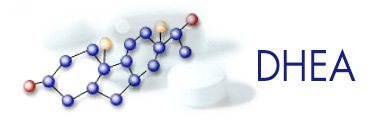
DHEA - Dehydroepiandrosterone

DHEA - The Mother Of Hormones

Please feel free to pass this page on to anyone you feel may benefit.


DHEA (Dehydroepiandrosterone) is a precursor to our natural hormones secreted by the adrenal gland, shown in double-blind placebo-controlled studies to have restorative and revitalizing effects. Unfortunately, natural DHEA levels decline dramatically with age.

By age 70, your DHEA levels will likely be less associated with many degenerative conditions. DHEA Supplementation Provides:

  • Powerful defense against age-related problems including diminished muscle mass, memory loss, joint discomfort, fatigue and sleep disturburance.
  • Helps maintain fat-free mass. -Increases lean muscle mass & strength.
  • Supports cellular energy levels and metabolism.
  • Works as a testosterone precursor.
  • Is an important anti-aging supplement.
  • Replaces declining DHEA levels.
  • May help decrease cholesterol levels.
  • Has major antioxidant properties.
  • May help to maintain youth and health.
DHEA Has a Significant Impact on Lean Body Mass:

It is the most abundant hormone found in the body. This vital hormone is the metabolic precursor to testosterone and supports muscle growth, cellular energy formation and fat metabolism.

DHEA is a catalyst for healthier, leaner eating habits, while blocking the catabolic effects that cortisol has on muscle mass. DHEA may have a profound influence on positive body composition supporting the growth of lean muscle tissue. Many bodybuilders use DHEA to ensure their bodies have the raw ingredients needed to produce sufficient testosterone, the muscle-building hormone.

DHEA has Powerful Anti-Aging Benefits: DHEA is essential for well-being and is considered to have strong anti-aging properties. It is a potent antioxidant hormone whose rapid decline after age 30 triggers many degenerative diseases associated with aging. DHEA is considered to be absolutely essential for any anti-aging, longevity program. DHEA levels peak around age 25 for men and 20 for women, and then decline steadily with age. Studies show that DHEA supplementation can potentially slow the aging process, improve testosterone levels and support lean body mass and muscle strength.

DHEA Helps Lower Bad Cholesterol and Relieve Pain Caused by Rheumatoid Arthritis: DHEA may help to relieve pain and inflammation in rheumatoid arthritis and may be helpful in the treatment of autoimmune diseases. DHEA in high doses appear to lead to significant improvement in decreasing symptoms of numbness and spasticity in multiple sclerosis patients. DHEA in 50 mg doses per day in aging men and women has led to remarkable increase in both physical and psychological well-being.

DHEA Relieves Depression: Recent double-blind clinical studies show that our decreasing levels of DHEA associated with aging is a fundamental contributor to depression among both men and women over the age of 40. This fascinating study demonstrates we are just beginning to learn of the extensive anti-aging benefits associated with DHEA in particular and hormone supplementation in general.

Please scroll down for more information on DHEA below following study.

See Study Below.
CLINICAL TRIAL NIMH
Dehydroepiandrosterone (DHEA) monotherapy in midlife-onset major and minor depression. • Schmidt PJ, • Daly RC, • Bloch M, • Smith MJ, • Danaceau MA, CLINICAL TRIAL NIMH Dehydroepiandrosterone (DHEA) monotherapy in midlife-onset major and minor depression. • Schmidt PJ, • Daly RC, • Bloch M, • Smith MJ, • Danaceau MA, • St Clair LS, • Murphy JH, • Haq N, • Rubinow DR. Behavioral Endocrinology Branch, National Institute of Mental Health, Rockville, MD 20892-1276, USA. PeterSchmidt@mail.nih.gov

CONTEXT: Alternative and over-the-counter medicines have become increasingly popular choices for many patients who prefer not to take traditional antidepressants. The adrenal androgen dehydroepiandrosterone (DHEA) is available as over-the-counter hormonal therapy and previously has been reported to have antidepressant-like effects.

OBJECTIVE: To evaluate the efficacy of DHEA as a monotherapy treatment for midlife-onset depression.

DESIGN: A double-blind, randomized, placebo-controlled, crossover treatment study was performed from January 4, 1996, through August 31, 2002.Settings The National Institute of Mental Health Midlife Outpatient Clinic in the National Institutes of Health Clinical Center, Bethesda, Md.Patients Men (n = 23) and women (n = 23) aged 45 to 65 years with midlife-onset major or minor depression participated in this study. None of the subjects received concurrent antidepressant medications.

Intervention Six weeks of DHEA therapy, 90 mg/d for 3 weeks and 450 mg/d for 3 weeks, and 6 weeks of placebo.

MAIN OUTCOME MEASURES: The 17-Item Hamilton Depression Rating Scale and Center for Epidemiologic Studies Depression Scale. Additional measures included the Derogatis Interview for Sexual Functioning. Results were analyzed by means of repeated-measures analysis of variance and post hoc Bonferroni t tests.

RESULTS: Six weeks of DHEA administration was associated with a significant improvement in the 17-Item Hamilton Depression Rating Scale and the Center for Epidemiologic Studies Depression Scale ratings compared with both baseline (P<.01) and 6 weeks of placebo treatment (P<.01). A 50% or greater reduction in baseline Hamilton Depression Rating Scale scores was observed in 23 subjects after DHEA and in 13 subjects after placebo treatments. Six weeks of DHEA treatment also was associated with significant improvements in Derogatis Interview for Sexual Functioning scores relative to baseline and placebo conditions.

CONCLUSION: DHEA has been found to be an effective treatment for midlife-onset major and minor depression Supplement Facts DHEA also called the Mother Hormone, is produced by the adrenal glands in the adrenal cortex, testes and ovaries. It is the most abundant hormone in the bloodstream and is present at even higher levels in brain tissue. DHEA is a metabolic intermediate in the pathway for the synthesis.
To order or for further information please call: -

Call/text on: - +44 (0) 7931 100 093

or Email on: - geeoz5@aol.com

GeeZone homepage

What You Need to Know About DHEA

What is DHEA

Other names: dehydroepiandrosterone, dehydroepiandrosterone sulfate

Dehydroepiandrosterone (DHEA) is a steroid hormone that's produced by the adrenal glands. The body converts DHEA to male and female sex hormones, such as estrogen and testosterone.

DHEA levels typically peak by the time people are in their 20s and decline with age, which is why there has been considerable interest in DHEA and its role in aging. In fact, DHEA supplements have been touted as an anti-aging hormone because lower levels of DHEA have been reported in some people with type 2 diabetes, breast cancer, heart disease, osteoporosis, AIDS, adrenal insufficiency, kidney disease and anorexia. Certain medications may also deplete DHEA, such as corticosteroids, insulin, opiates and danazol.

DHEA is manufactured naturally in the body, but DHEA supplements can also be made in a laboratory from a substance called diosgenin, found in soybeans and wild yam. Wild yam cream and supplements are often promoted as being a natural source of DHEA, but the body can't convert wild yam to DHEA on its own -- the conversion must be done in a laboratory.

DHEA supplements were taken off the U.S. market in 1985 because of concerns about false claims regarding its benefits. It became available only by prescription but was reintroduced as a nutritional supplement after the Dietary Supplement Health and Education Act was passed in 1994.

Why Do People Use DHEA Supplements

DHEA is used as an "anti-aging" hormone and for conditions in which DHEA levels have been found to be low, however, there are very few large, well-designed human studies showing that it's effective.

  • Aging
    The gradual decline in the body's DHEA levels correlate with loss of muscle mass, decreased bone density, and a decline in immune function. A study by Mayo Clinic researchers, published in the New England Journal of Medicine, looked at the effect of DHEA supplements on markers of aging, such as muscle mass, muscle strength, fat mass, peak endurance and glucose tolerance in older men and women.

    The study involved 87 men and 57 women. At the end of the two-year study, participants showed no significant change in any of the markers. It's one of the largest and longest studies on DHEA and human aging to date.

  • Depression
    Clinical trials examining the effect of DHEA for depression suggest that DHEA temporarily improves symptoms of depression compared to a placebo. For example, a study sponsored by the National Institute of Mental Health investigated the use of DHEA by 46 people between the ages of 40 and 65 with major or minor depression. They took DHEA for six weeks (90 mg a day for three weeks followed by 450 mg a day for three weeks) or a placebo.

    Twenty three people improved while taking DHEA, compared to 13 who responded while taking the placebo. After six weeks, 14 out of 15 people taking the placebo were still depressed, compared to eight out of 14 people taking DHEA.

    Studies on lasting mood changes, however, have had inconsistent results. More research is needed before DHEA should be used for depression, however, because the long-term effects aren't known.

  • Menopause
    One small study found that 25 mg a day of DHEA may reduce symptoms of menopause. Levels of other hormones were affected, however, which may have adverse effects.

  • Obesity
    In animal studies, DHEA has shown some promise in reducing genetic or diet-induced obesity. A study funded by the National Institutes of Health looked at the effect of DHEA (50 mg a day) compared to a placebo for weight loss in 56 overweight adults between the ages of 65 and 78. At the end of the six month study, people taking DHEA lost an average of two pounds compared to the people taking the placebo, who gained just over one pound.

    Although overall weight loss was minimal, results were more promising when fat loss around the abdomen was assessed. After six months, women taking DHEA lost 10% of their abdominal fat and men lost 7%.

    A large study involving 942 men in the Massachusetts Male Aging Study looked at men between the ages of 40 and 70, first in 1987 to 1989 and then again in 1995 to 1997. Researchers found that fat around the abdomen (called central obesity) was associated with lower DHEA levels.

    Although these are promising preliminary results, until we have more research on the safety and effectiveness of DHEA, researchers recommend trying other, more proven methods for weight loss.

  • Osteoporosis
    Supplementation with DHEA has been studied to increase bone density. It is usually taken by mouth or applied as a cream to the inner thigh. DHEA hasn't been found to be helpful for younger women and men. Some evidence sugests it might be helpful for osteoporosis in older women. More research is needed.

  • Sexual Dysfunction
    Studies on the use of DHEA for erectile dysfunction in men and sexual function in men and women have been inconsistent. A one-year study involving 280 men and women found that 50 mg a day of DHEA improved libido in women over 70 but not in younger women or men. Other studies have been mixed -- most have been too small to be meaningful or the treatment duration has been too short.

  • Systemic Lupus Erythematosus
    Scientific evidence indicates that DHEA may enhance mental function and increase bone mass in women with systemic lupus erythematosus (SLE), an autoimmune disease affecting connective tissue. In fact, synthetic DHEA called prasterone (Prestara) is under investigation for the treatment of this condition and the prevention of loss of bone mineral density. The FDA has granted orphan drug status for the prevention of loss of bone mineral density in SLE patients taking corticosteroids.

  • Adrenal Insufficiency
    Adrenal insufficiency is a condition involving low levels of adrenal gland hormones. Several studies suggest DHEA supplements may improve well-being, quality of life, and sex drive in people with adrenal insufficiency. In 2003, prasterone (Fidelin) received orphan drug status for adrenal insufficiency. Adrenal insufficiency can only be diagnosed by a doctor. It can be a medical emergency and should be properly diagnosed and treated by a qualified health professional.

  • Other Conditions DHEA has also been explored for many other conditions, such as:

    Alzheimer's disease
    Chronic fatigue syndrome
    Crohn's disease
    Heart disease
    Schizophrenia
    Sjogren's syndrome

  • DHEA Side Effects and Safety

    DHEA is a hormone, so it should only be used under the supervision of a qualified health care practitioner or nutritionist.

* * * * * * * * * * * * * * * * * * * * * * * * * * * * * *

GeeZone - Massage, Health & Beauty Therapies

www.GeeZone.biz

call/text: +44(0)7931 100093

email: geeoz5@aol.com

* * * * * * * * * * * * * * * * * * * * * * * * * * * * *


GeeZone fanclub - join now for interesting tips, advice & freebies
Click here
Add my new page on Facebook:
Click here
Join me on BLOGGERS - advice, blogs, tips & freebies
Click here
Join me on Twitter -
Click here
Join me Holistic Massage, Health & Beauty FaceBook Page
Click here
FREE CD - Law Of Attraction
Click here
Subliminal Audio - Greg Frost - Brain Entrainment
Click here
Treat Yourself To A Special Giveaway about The Power of Belief - Alan Tutt
Click here


Monday, 21 September 2009

Tianshi Company & Products

Tianshi Group

The

Mr.Founded in 1992 by Mr. Li Jinyuan, Tianshi Group is a large-scale global enterprise with operations in over 190 countries and regions with a customer base over 10 million. Since 1992, Tianshi has maintained a continual, stable, and rapid growth. With an anchor business in advanced biotechnology, Tianshi is also involved in financing, real estate development, education, cultural exchanges, and modern logistics. Headquartered at the Henderson Center in Beijing, its production plants are located in the Wuqing New Technology Development Zone of Tianjin.

Tianshi Health Products is the first China based direct selling company that manufactures and distributes Traditional Chinese Health Products Internationally. With over 190 Regional offices throughout the world, Tianshi opened its doors in North America in 1999 and now has over 11,000 Independent Consultants.

A direct selling company that is based on advanced biotechnology devoted to developing health and wellness products and a culture for a healthy lifestyle. The business opportunity is unique and trend setting in that it rewards successful Independent Consultants for personal sales and leadership. In North America, Tianshi support the opportunity by offering products such as: herbal supplements, personal, home, skin and body care.

Mission is to offer high quality products and services that provide the Keys to Health and Wealth for our family of customers in harmony with the highest international professional standards and ethical values.

Tianshi Group envisions a community knit together with the common goal of health, wealth and welfare for all of humanity, made possible through its network of valued resources – people, education, markets, the internet and capitalization.

Tianshi offer

  • A generous compensation plan with rewards
  • Empowerment to our Independent Consultants through training and recognition.
  • Premium health products with value and selection.

Tianshi Product recommendations for common conditions

Established a presence in Britain in 2001. Under the globalization development strategy of Tianshi UK LTD, as a subsidiary company of Tianshi Group we registered in UK, and formally started its network marketing business in 2002. The company offices are located in Colindale, North London and can easily be accessed, by most forms of transport. Under the support of Tianshi Group and the regional head office, we have been able to grow very quickly.

Tianshi Products & Chinese Healthcare Culture

The definition of health

According to a World Health Organization (WHO) declaration, health is a state of complete physical, mental and social well-being and not merely the absence of disease or infirmity. We have chosen to work in the health industry because of our appreciation for life and our search for the meaning of human existence.

Major factors affecting health

10% social conditions; 8% medical conditions; 7% climatic conditions; 15% hereditary factors; 60% lifestyle. Modern pollution

Standards of Health

Health requires a balanced diet, sufficient sleep, moderate exercise, and mental soundness. A healthy person possesses the following characteristics:

1. Plenty of vigor, the ability to easily handle the pressures of daily life without becoming overstressed, and the capability to do all what one desires.

2. Optimism with a positive attitude, a willingness to take responsibility for ones actions, strictness with oneself but leniency toward others.

3. The capability to handle emergencies and the ability to adapt to change.

4. The capability to resist the common cold and infectious disease.

5. A healthy weight and proportionate figure, with all body parts in the proper position while standing.

6. Bright eyes, quickness in response, and no inflammation.

7. Shiny hair with little or no dandruff.

8. Clean teeth with no cavities or aches, and healthy gums.

9. Elastic muscles and skin, walking with an agile pace.

10. The ability to rest and sleep well. Tianshi Food Supplements


“Providing high-quality products, education and careers
for customers globally, improving the quality of life
and contributing to a harmonious international society.”


Tianshi Product Philosophy - Tianshi Products

Independant U.K. distributor: - Gee Morris-Osborne

To Order or further information on business - buy product at wholesale prices!

Call: - Gee on 07931 100 093 or email geeoz5@aol.com

Independant U.K. distributor: - Gee Morris-Osborne

Call to make orders on 07931 100 093 or email geeoz5@aol.com

homepage

GeeZone - Massage, Health & Beauty Therapies

Tel/Mob: 07931 100 093 / 07817 967 102

Email: geeoz5@aol.com

Website: www.geezone.biz